
Gas Log Installation in Rosemead
Ask About Gas Logs
Give the street and what led to the request. Our reply suggests the visit and, where one is listed, the price.
Scope and Standards
Gas logs come in two kinds with different rules. Vented sets need the damper held open for good, which the code expects to be done with a fixed stop. Vent free sets carry limits on room size and are not allowed in some rooms at all. We measure the firebox, confirm the gas supply and help you choose a set that suits the room. The install ends with a leak test and a flame check.
Vented sets and the damper rule
A gas log set is a burner with ceramic logs arranged over it, placed in a fireplace built for wood. It is the lightest way to stop burning wood without changing how the room looks, and it can be lit on the South Coast district's no-burn days, which wood cannot. Most sets installed in Rosemead are vented. They burn with the flue open and rely on it to carry their exhaust out of the house, so the fireplace still has to draw properly and the flue still has to be sound. The fuel gas code adds a rule that catches many owners out: where vented logs are installed, the damper has to be removed or fixed so it cannot fully close. A damper shut by habit while the logs are burning would push exhaust into the room. We fit a permanent stop or clamp to the damper, mark it, and explain why it is there, so the next person who works the handle does not undo it.
The other kind, vent-free logs, burn without an open flue and release their exhaust into the room. They come with an oxygen sensor and strict limits on room size and on how long they run. California's codes are far more restrictive about unvented gas appliances than many other states, and in practice we install vented sets. If you have seen vent-free logs advertised, ask us about your room and we will explain where the rules stand. Before any set goes in, we check the chimney, since gas logs need a working flue. A fireplace that has been burning wood should be swept first, because creosote left in the flue does not stop being a hazard when the fuel changes. A Level 1 inspection at $58 is usually enough to confirm the flue, and a sweep starts from $445 if it needs one.
Fitting the set, the gas line and the figure
A log set has to suit the firebox it sits in. Most masonry fireboxes narrow toward the back and slope at the rear wall, and the burner needs space at each side and behind it for the flame to burn cleanly and for the logs to sit where the maker intends. A set too big for the box pushes flame into the brick and soots the face of the fireplace; one too small looks lost. So we measure the box's shape at the visit and match a burner and log set to it. Then there is the gas supply. The fireplace needs a gas line with a shutoff valve the owner can reach, and new or extended gas pipe is the part of the job most cities want permitted and inspected. Some older Rosemead homes already have a gas key at the hearth from the days when gas starters were common, and that line is checked for size and condition before we use it.
Gas logs do not have a fixed price on our list. Your figure is built from three parts: the log set you choose, the gas line work needed to reach the firebox, and any repair the chimney needs first. We show you sets that fit your firebox at a few levels of finish, and once you have picked one, the written figure covers all three parts, with the permit question settled. If what you want is heat rather than the look of a flame, a gas insert is the better tool. A vented log set sends most of its warmth up the open flue, while an insert closes the opening and puts the heat into the room. Set into your current firebox, a gas insert from us comes to $2,950 to $5,950 installed. We are happy to price both so you can compare them side by side before deciding.
How Edgerton Chimney Group Works
Rule Named
Each finding cites the standard behind it
Permit Checked
City requirements settled before booking
Price on Paper
Extra work is written up before it starts
Records Kept
Photos and reports ready for a buyer or insurer
Where we book gas logs
Choose a city for the local housing notes, permit desk pointers and ZIP list.
CA
Gas Logs in Rosemead
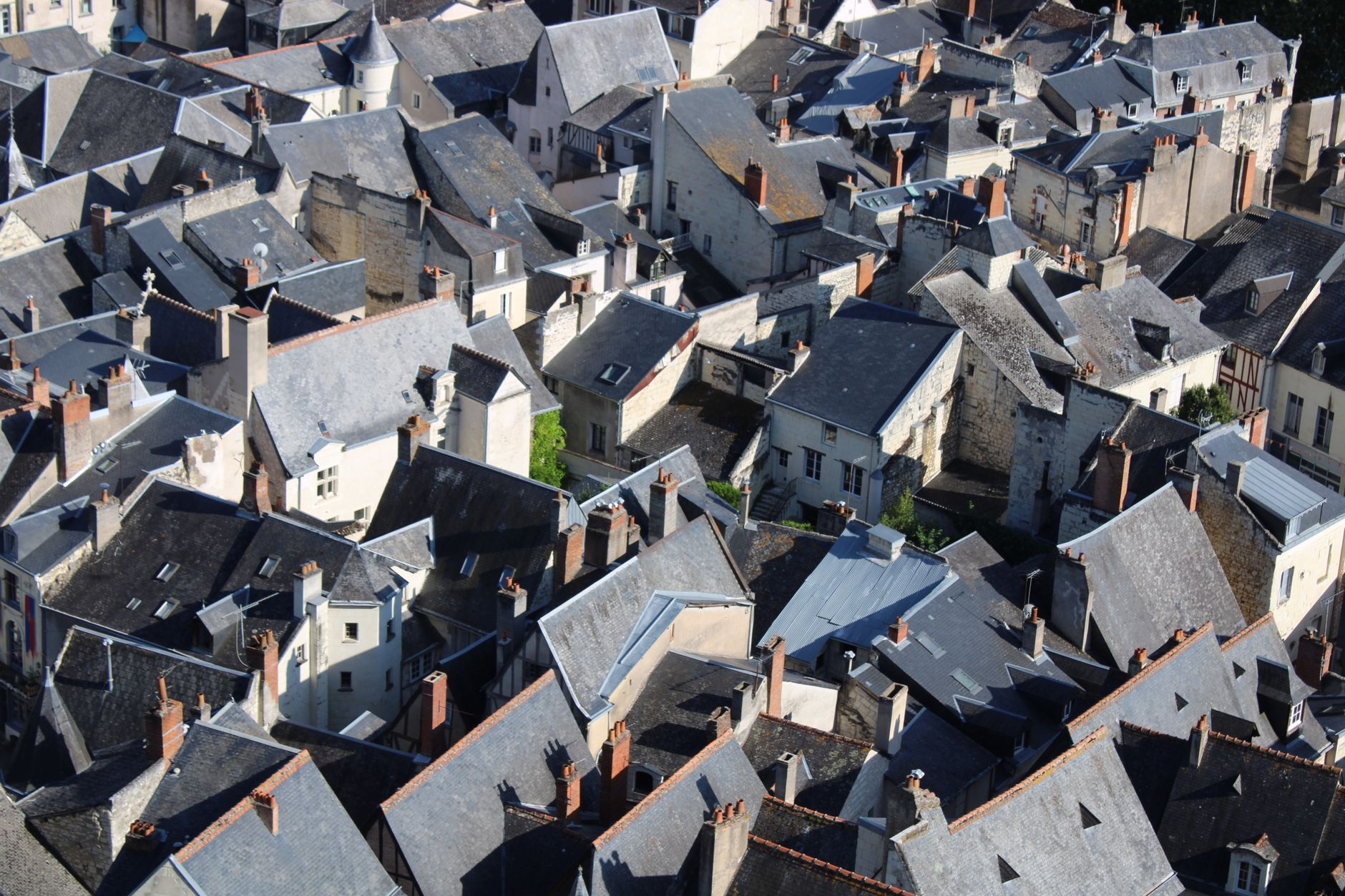
Rosemead filled in on old farm land after World War II, and 77% of its homes were built before 1980. Where those postwar houses have a fireplace, the chimney is brick, so we read it against NFPA 211 before any insert or rebuild permit is pulled.
Open this cityCA
Gas Logs in Temple City
Founded by Walter Temple in the 1920s and incorporated in 1960, the city is mostly detached houses, 80% of units. A typical tract chimney carries steel reinforcement that is now decades old, which matters when a rebuild needs a permit and an inspector checks the steel.
Open this cityCA
Gas Logs in Monterey Park
Building here reaches back to the 1910s, and slopes filled with homes after the war; 79% of the housing predates 1980. On a sloped lot, chimney height above the roof is a code question, and a new insert or cap must still clear it.
Open this cityCA
Gas Logs in Montebello
With 84% of homes built before 1980 and 23% before 1950, Montebello's brick chimneys are old enough that NFPA 211 clearances and liner condition decide whether a gas insert can go in, or whether a rebuild permit comes first.
Open this cityCA
Gas Logs in West Covina
West Covina traded orchards for tracts once the war ended, and from the 1970s many houses got factory-built metal fireplaces. Those units are listed systems, so any cap, chase cover or insert has to match the maker's listing, while the older brick stacks follow masonry rules.
Open this cityRelated Work
Chimney Sweep
Flue brushed and vacuumed back to the clean state NFPA 211 asks for, with deposit depth written down before and after.
Details →Chimney Inspection
An NFPA 211 inspection at the level your situation calls for, written up so an insurer, buyer or city office can follow it.
Details →Chimney Repair
Repairs scoped against NFPA 211 and the local building code, so the chimney passes its next inspection, not only the next rain.
Details →Fireplace Inspection
Firebox, hearth extension, damper and mantel spacing measured against the code tables that apply to your fireplace.
Details →Fireplace Repair
Cracked firebrick, loose panels, failed doors and short hearths put right so the fireplace meets clearance rules again.
Details →Chimney Level 2 Inspection
The deeper NFPA 211 inspection a sale, a new appliance or storm damage calls for, with video of the inside of the flue.
Details →Chimney Cap Installation
A cap and spark arrestor screen fitted to the flue, chosen to meet fire code mesh rules and keep rain and animals out.
Details →Chimney Flashing Repair
Step and counter flashing rebuilt where the roof meets the chimney, with the upper layer cut into a mortar joint as roofing codes describe.
Details →Chimney Masonry Repair
Open joints, spalled brick and loose courses repaired with a mortar chosen for the brick, so the new work does not crack the old.
Details →Chimney Rebuilds
A new chimney top built to today's code, with height, flue size and reinforcing worked out before the old brick comes off.
Details →Fireplace Cleaning
Ash, soot and creosote cleared from the firebox, smoke chamber and doors, with the room left as clean as we found it.
Details →Gas Fireplace Cleaning
Lint, dust and nests cleared from a gas unit's ports, pilot and vent, then the flame compared with the maker's manual.
Details →Gas Fireplace Repair
Ignition, valve and flame faults on gas fireplaces traced and repaired with parts the maker lists for that model.
Details →Fireplace Remodel
A refaced fireplace with mantel height, hearth depth and trim spacing set by the code before any stone or tile is picked.
Details →Fireplace Inserts
Gas and wood inserts set into an existing firebox with a full height liner, and the permit and clearances handled on paper.
Details →Pellet Stove Repair
Jammed, shutting down or code throwing pellet stoves repaired with listed parts, and the vent pipe checked for clearance.
Details →Wood Stove Repair
Gaskets, baffles, glass and stove pipe repaired so a wood stove seals properly and sits a safe distance from walls.
Details →Chimney Seismic Retrofit
Unreinforced brick chimneys made safer for the next quake with bracing, strapping or a lighter top, chosen after an inspection.
Details →Chimney Crown Repair
Cracked crowns sealed or recast with an overhang and a gap at the flue tile, as masonry chimney standards describe.
Details →Dryer Vent Cleaning
Lint cleared from the whole dryer duct, with the run, the pipe material and the outside hood compared with the mechanical code.
Details →Chimney Liner Installation
Listed stainless liners sized from the appliance and run the full flue height, with insulation where the listing asks for it.
Details →Chimney Leak Repair
Leaks traced from the stain inside back to where water enters, then fixed in the order that stops them soonest.
Details →Chimney Waterproofing
Brick treated with a repellent that lets vapor out, as the last step once every crack and gap above it is closed.
Details →Chimney Damper Repair
Stuck, rusted or warped dampers repaired, or swapped for a sealing damper mounted on the chimney top and worked by a cable.
Details →Chimney Chase Cover
Rusted chase tops on factory built chimneys replaced with a stainless or galvanized cover made to the chase's own size.
Details →