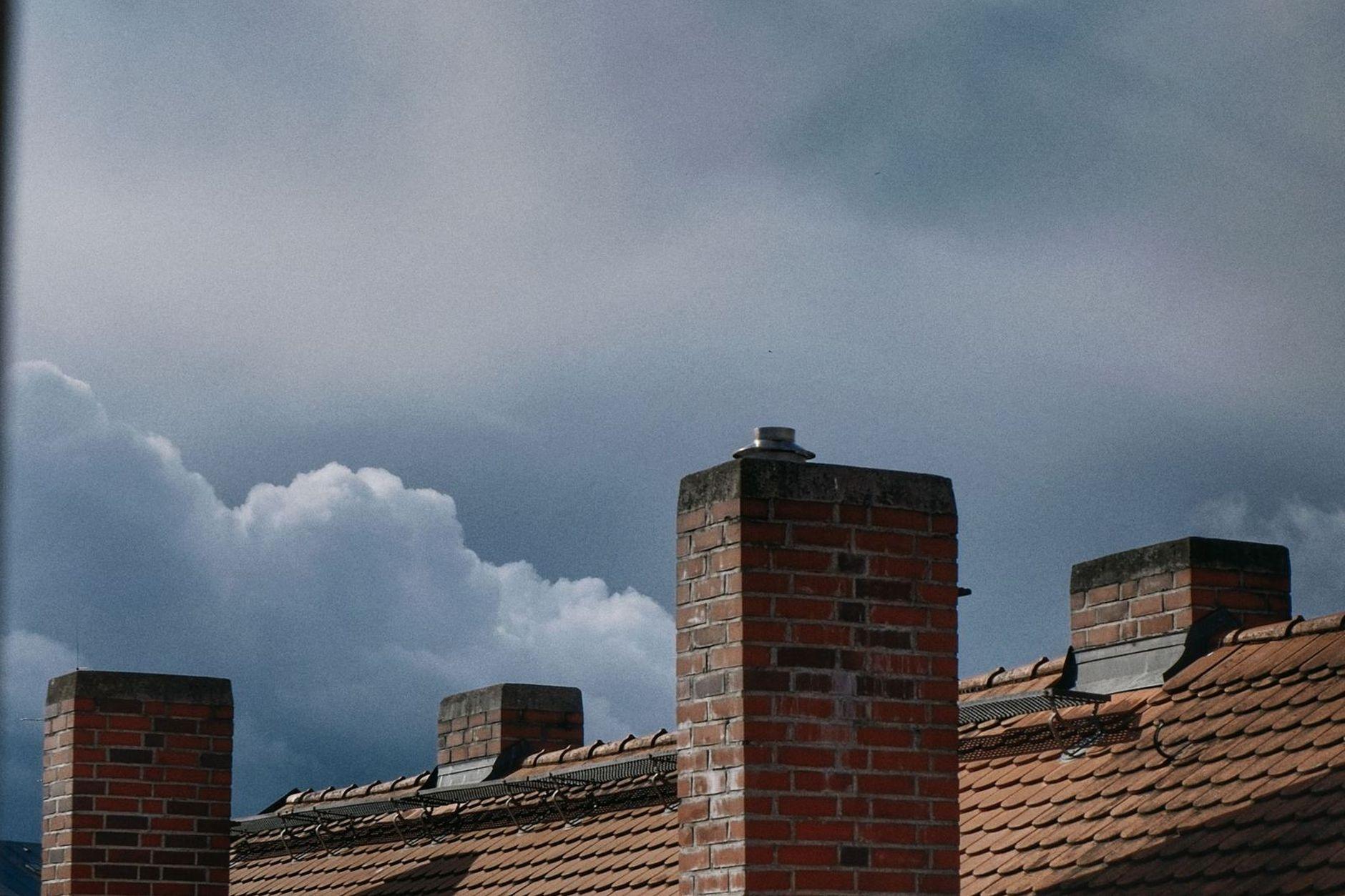
A chimney changes hands with the house
A buyer takes on everything inside the chimney along with the deed, including whatever the last owner burned, ignored or patched. The general home inspection rarely goes past the fireplace opening and what is visible from the roof, so its usual chimney note is a referral to a specialist. This post is about what to order when that note lands on your desk in Rosemead.
What NFPA 211 actually asks for
NFPA 211 is the fire protection standard that most chimney work in the United States is measured against. It sets inspection depth in tiers.
- The first tier fits a chimney in regular use with nothing changed. The inspector examines everything reachable from the open fireplace, the roof and accessible parts of the attic, without opening anything up.
- The second tier fits a chimney where something has changed, and the standard lists a sale of the property among those changes. It adds a camera through the entire flue, plus the attic, crawl space and any other accessible part of the chimney's route through the house.
- The third tier means removing finished surfaces or masonry to reach a hidden concern. It is ordered only when the second tier finds something it cannot see past.
The reason a sale points to the second tier is not a technicality. A buyer cannot know how the fireplace was used, whether heat or a quake damaged the flue, or what a past repair covered up. The camera answers those questions from the inside.
What each one costs here
- Visual check (Level 1): $58.
- Camera inspection (Level 2): $415.
The difference buys the inside of the flue. Cracked clay tiles, open joints, heavy tar deposits and a liner that stops short are all invisible from the firebox, and they are the findings behind the largest repair figures. A visual check at a sale saves money on the inspection and can cost far more after closing.
When a Level 1 can be enough
There are fair cases for the cheaper check during a purchase.
- The fireplace has been permanently sealed and the buyer has no plan to use it.
- The seller holds a recent Level 2 report on the same chimney, with photos, and nothing has happened since. Ask to see the full report, not a summary of it.
- The flue serves only a gas appliance fitted recently with a listed liner, and the paperwork is in hand.
Even then, the report should say what was not seen, so it cannot be read later as approval of the whole chimney.
What a camera finds that a flashlight misses
On older Rosemead houses, the clay tiles inside the chimney are often the original ones. Decades of fires, a few strong quakes and the odd chimney fire leave marks that only show up close: hairline splits running up a tile, mortar missing between two sections, a tile knocked out of line so the joint steps. Each of those lets heat and exhaust reach the brick behind. On a gas flue, we look for a liner that has come loose at the bottom or a vent that was never connected at all. These are the findings that move a negotiation, and none of them can be judged from the hearth.
What the report gives you in a negotiation
Each finding in our report comes with where it is, a photo, which rule it falls short of and the work it calls for. Where we publish a price for that work, it is printed next to it: stopping a leak from $595 to $3,550, a cricket from $475 to $1,070. A cap is quoted after we measure. Where we do not, such as a cracked flue tile, the report says a written figure will follow a measured visit.
That layout lets a buyer's agent attach the page to a repair request without rewriting it. The home sale inspection page shows how a finding becomes a credit or a repair, and our agent page shows how findings are worded.
Book a sale inspection through the form. Give us the address, say whether the house has more than one fireplace and tell us when the inspection period closes, and we will set the visit and confirm who gets the report.
Who receives the report
The person who orders and pays for the inspection decides where it goes. Name the buyer, the buyer's agent and anyone else at booking, and each gets an identical copy with photos. Whether the seller sees it is the buyer's decision.
Access when you cannot be there
Many Rosemead buyers live elsewhere or work through the day. Your agent arranges entry with the listing side, and we need a route to the fireplace, the attic hatch and a safe spot to set a ladder. You do not need to attend; the photos and the written findings show what we saw.
Rules that come up at a sale
- Carbon monoxide alarms. State law has asked for them in houses with a fireplace, a gas appliance or an attached garage from 2011 on. We note whether they are present near the bedrooms.
- No-burn days. Under South Coast AQMD Rule 445, wood fires are banned in Rosemead on certain winter days. Buyers who want a fire every night often plan a gas insert, and our insert post covers the cost.
- Past repairs. Ask the seller for invoices for any earlier chimney work. A permitted rebuild leaves a record with the city, and our rebuild post explains what that work should have met.
Next
Buyers and agents in Rosemead, Temple City, Monterey Park, Montebello and West Covina can book on the contact page. Say which party you represent, and we will set up the right inspection for the house.
Want the Rule Applied to Your Own Chimney?
Edgerton Chimney Group inspects to NFPA 211, measures what the code measures and writes down which findings matter for a sale, an insurer or a permit. We work from Rosemead across Temple City, Monterey Park, Montebello, West Covina and nearby cities.