Water finds the weakest detail
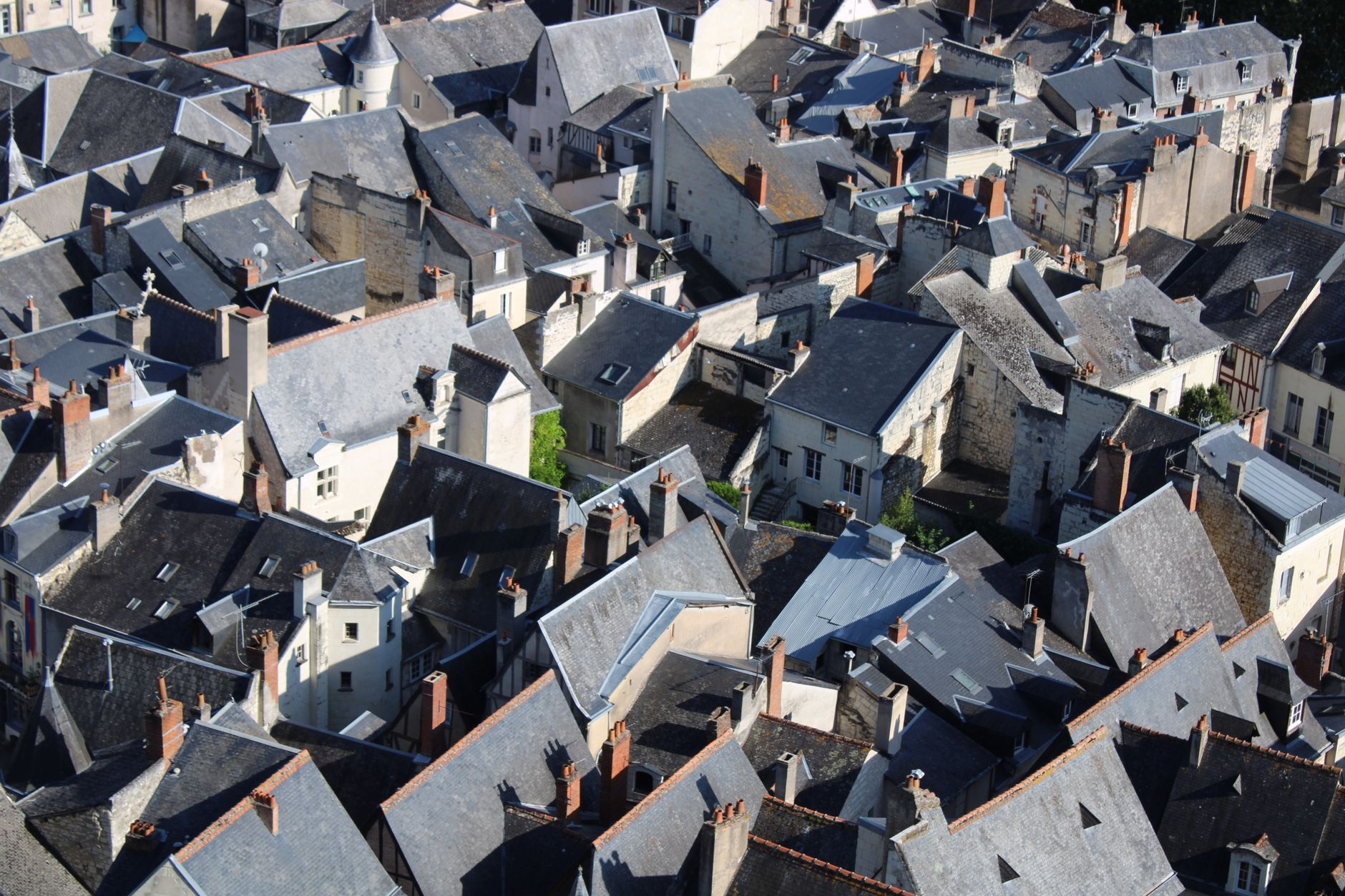
A chimney passes through the roof, so it interrupts the one layer of the house that is meant to be continuous. Every place where brick meets shingle, mortar meets tile or metal meets masonry is a joint that can open. In Rosemead most leaks reveal themselves in the first heavy storms of the wet season, after a long dry summer has baked the sealants and widened the cracks.
This post covers where leaks start, what the building rules say about each spot and what we charge to find and stop one.
Where the water comes in, and what the rules say
Flashing. The metal that seals the joint between chimney and roof. The residential code calls for two layers: pieces worked into the roofing that turn up the side of the chimney, and separate counter pieces set into the brick that lap down over them. The two stay independent so the house and the chimney can move without tearing the seal. Caulk smeared over the joint in place of metal is the most common shortcut we find, and it gives out within a few seasons.
The cricket. Where a chimney is more than 30 inches wide measured along the ridge, the code asks for a small ridge on its high side to split the water around it. Without one, water and leaves dam up behind the brick and eventually work under the flashing.
The crown. The concrete slab at the top. The residential code expects it to slope away from the flue and project past the brick, with a bond break around the tile, so water drops clear rather than tracking down the face. A flat mortar cap troweled on during the original build does neither, and once it cracks it pipes water straight into the brick.
The open flue. Without a cap, rain falls into the flue. Some of it dries; the rest reaches the damper and the smoke chamber and soaks the masonry around the firebox.
The brick and mortar. Old brick takes up water readily when its mortar joints are worn. Repointing comes before any sealer.
What we charge
| Work | Our price |
|---|---|
| Finding the source and stopping a chimney leak | $595 to $3,550 |
| Adding a cricket on the high side of the stack | $475 to $1,070 |
| Cricket together with every flashing piece renewed | $710 to $1,750 |
| New cap over the flue | quoted after we measure the flue |
The leak range is wide because one source can be a reseal of a single flashing joint, while another involves flashing, crown and mortar all at once.
Work not on that list, such as a new crown, a metal chase top, water repellent or repointing, gets its own figure on paper once we have seen the chimney.
How we trace a leak
We start indoors, at the stain, and work back up: attic first, then the roof. We look at the flashing joints, the crown surface, the mortar and the top of the flue. If the source is not obvious, we wet the chimney in sections, starting low, while a second person watches from the attic.
The written figure names each entry point we found and the fix for each one. If there is more than one, you see them separately, listed in the order we would tackle them.
Request a leak visit through the form. Tell us which room shows the stain, how much rain it takes to start and whether the roof was redone in the last few years.
Leaks that start after a new roof
A good share of our leak calls come a season or two after a reroof. Roofers sometimes reuse old flashing, or bend new pieces against the brick without cutting a counter piece into the mortar, then seal the top edge with caulk. It looks tidy until the caulk dries out. If your leak began after roofing work, say so when you book; it points us straight at the flashing, and the roofer's own paperwork may cover part of the job.
Waterproofing comes last
Owners sometimes ask for a sealer first because it sounds simple. A breathable repellent has a place, but only on brick and mortar that are already sound, with the flashing, crown and cap doing their jobs. Applied over an open joint or a cracked crown, it hides the problem for a while and makes the next diagnosis harder. When it does suit the chimney, we list it as its own line, and our waterproofing page explains what it does.
The code reason not to wait
Water in a chimney is more than a stain. Mortar washes out, steel lintels and dampers rust and the crown breaks up. In a quake, a chimney with soft joints is the one more likely to shed brick. A flue tile soaked again and again can crack, and a cracked tile no longer gives the protection NFPA 211 expects of a liner. A small leak caught now is often a flashing job; the same leak left for years can become a rebuild.
Leaks and a sale
Stains at the chimney breast are among the first things a buyer's inspector points to. Our printed prices give both parties a figure to work with. See the up to code repairs page for how we stage a longer list, and the chimney leak repair and flashing repair service pages for the detail of each job.
Getting it stopped
If water is getting in around your chimney in Rosemead or a nearby town, go to the contact page and tell us where it shows. We trace it to the source and put every part of the fix on one written page.
Want the Rule Applied to Your Own Chimney?
Edgerton Chimney Group inspects to NFPA 211, measures what the code measures and writes down which findings matter for a sale, an insurer or a permit. We work from Rosemead across Temple City, Monterey Park, Montebello, West Covina and nearby cities.